EV - Maximising Your Drive Time By Minimising Your Charge Time!


Drivers who are drawn to electric vehicles (EVs) because of their innovative designs and eco-friendliness are slowly being taken over by those who are drawn to EVs more to avoid petrol stations and save money on fuel.
As the number of EVs increases for these reasons, there is also the issue that EV users are growing more and more ignorant because, for the lack of a better word, they couldn’t be bothered to learn anything about EVs, including anything beyond how to charge an EV and drive one.

Because of this, we are seeing an increasing number of users recently turn to social media when they feel duped for a variety of reasons, like inconsistent AC and DC charging speeds.
To start off, the vehicle's battery management system and the station's maximum charging rate determines how long an AC charge will take. The vehicle's onboard charger which differs from vehicle to vehicle which ranges from 7 kW up to 22 kW may have an impact on the actual rate of charging.

Conversely, DC fast chargers offer rapid charging times by feeding the car's battery with direct current at a high voltage simply limited only by the maximum amount of power it can safely receive.
Now similar to how gasoline-powered vehicle owners avoid emptying their tanks, electric vehicle owners would "top up" their batteries instead of allowing them to run completely empty. This technique lessens the worry (anxiety) of running out of power, especially on lengthy trips, and increases the driving range on a single charge.
It's crucial to remember that "topping up" an electric car's battery on a regular basis might not be the best course of action instead opt for small doses of DC charge when travelling. By doing this, it would help cut down your time laying idle at a charging station as it would actually only take minutes to juice up say from 60% to 75% as compared to filling up to 90%.

An EV battery is best charged from 20% up to 80% when utilising a DC fast charger (DCFC). However, when your state of charge (SOC) is way below 20%, expect the DCFC to under-deliver in its promised speed till the charge lever goes beyond the 25% mark before actual advertised speed can be dispensed. This is being done to take care of the battery’s integrity.
When the battery's SOC is above 80%, however, the efficiency significantly drops in order to avoid overcharging and prolongs the battery's life. Because of this, DC fast charging based on the 80% rule has become the industry standard value when manufacturers advertise their products' charging value.

Therefore, for best results and longevity, the battery should also not be allowed to fall below 20% or rise above 80% when filling up on a DCFC. Furthermore, understanding and practising efficient charging habits can help EV owners maximise their vehicle's range and longevity while maximising charge speed and minimising charging time and costs.
Now that you understand these best practices when charging your EV, why not read up Charging Curve's and how that would differ from one EV to another!
Written By
Kumeran Sagathevan
More then half his life spend being obsessed with all thing go-fast, performance and automotive only to find out he's actually Captain Slow behind the wheels...oh well!


JPJ Running Numbers
KUALA LUMPUR
VSA4819
SELANGOR
BSV2920
JOHOR
JH7613J
PULAU PINANG
PSH5424
PERAK
APN2134
PAHANG
CFJ4636
KEDAH
KGJ9130
NEGERI SEMBILAN
NEM6571
KOTA KINABALU
SJV2938
KUCHING
QAB704Q
Last updated 23 Nov, 2026
Fuel Price
Petrol
RON 95
RM 3.97
+1.38
RON 97
RM 4.90
+1.75
RON 100
RM 7.20
+2.20
VPR
RM 8.23
+2.00
Diesel
EURO 5 B10
RM 5.12
+2.08
EURO 5 B7
RM 5.32
+2.08
Last updated 30 Apr, 2026
Related News
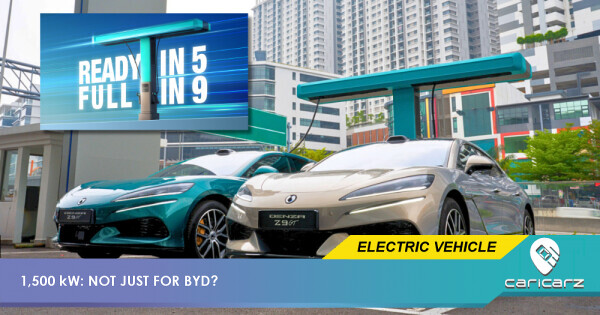
BYD Flash Charging Malaysia: 9-Minute Charging, Locations And Compatible EVs
BYD Flash Charging is now in Malaysia. Explore its 1,500 kW chargers, nine-minute charging, locations, compatible EVs and nationwide expansion plans.

20-11-2026
Malaysia's Proposed EV Levy Explained: Charging Infrastructure, Funding And EV Affordability
Malaysia is studying an EV levy to fund more public chargers. Explore the proposal, infrastructure challenges, Budget 2027 incentives and EV affordability.
18-11-2026
Malaysia's 30,000 EV Charger Target: 7,341 Installed As Of September 2026
Malaysia has 7,341 EV chargers but needs 22,659 more by 2030. Can faster expansion and better rural coverage close the gap?
17-11-2026
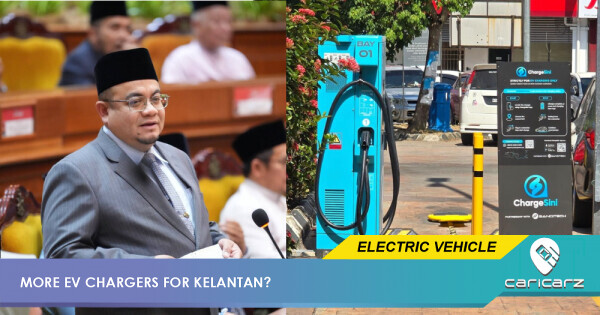
Kelantan Eyes More EV Chargers At Strategic Locations
Kelantan eyes more EV chargers at strategic locations, with 37 units in the Kota Bharu council area and private-sector expansion plans.
04-11-2026
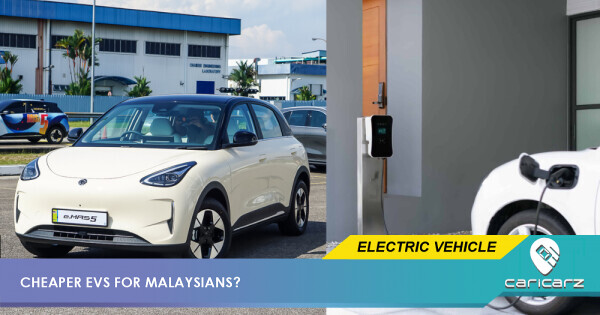
Malaysia Considers New Incentives For Affordable EV Purchases
Malaysia is considering new incentives for affordable EVs, including purchase assistance and charging support. Here's what buyers should know.
04-11-2026
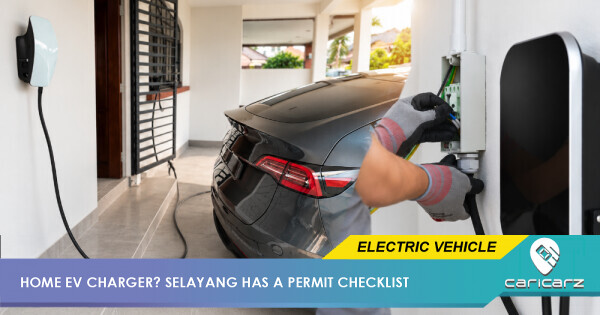
Selayang Home EV Charger Permit: Requirements, Documents And Fees (RM15k++)
Selayang's home EV charger permit checklist covers landed homes. See the RM105 council fees, required documents and reported installation costs.
30-10-2026
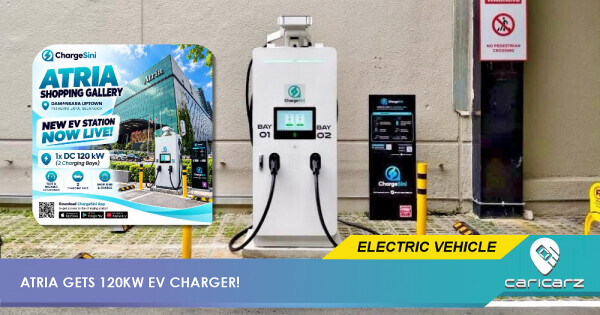
Shopping At Atria? ChargeSini's New 120kW EV Charger Is Now Live!
ChargeSini's new 120kW DC fast charger at Atria Shopping Gallery, PJ, is now live with two charging bays. Here's what EV drivers should know.
16-10-2026
Budget 2027: What's Actually Changing For Malaysian Motorists And Commuters?
Budget 2027 brings fuel subsidies, MYKOMUTER50, driver assistance, EV chargers and road upgrades. Here's what Malaysian motorists need to know.
10-10-2026
Latest News
BYD Flash Charging Malaysia: 9-Minute Charging, Locations And Compatible EVs
BYD Flash Charging is now in Malaysia. Explore its 1,500 kW chargers, nine-minute charging, locations, compatible EVs and nationwide expansion plans.
20-11-2026
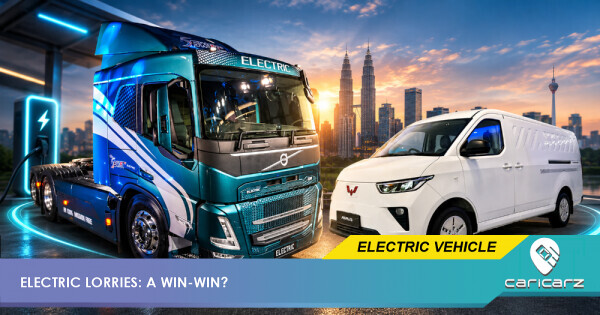
Malaysia Commercial EV Tax Incentives: What's Available And What's Being Proposed
Malaysia is studying sales tax exemptions for electric lorries. Explore existing GITA incentives, Budget 2027 measures and their link to diesel subsidies.
19-11-2026
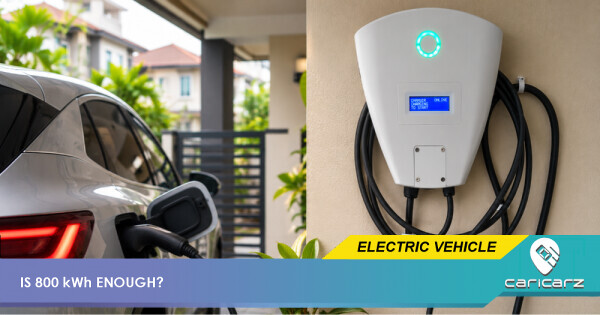
Malaysia's Temporary 800 kWh Electricity Bill Protection Ends December 2026: What EV Owners Should Know
Malaysia's temporary 800 kWh electricity bill protection ends Dec 31, 2026. Here's what EV owners should know about home charging and electricity tariffs.
19-11-2026
Malaysia's Proposed EV Levy Explained: Charging Infrastructure, Funding And EV Affordability
Malaysia is studying an EV levy to fund more public chargers. Explore the proposal, infrastructure challenges, Budget 2027 incentives and EV affordability.
18-11-2026
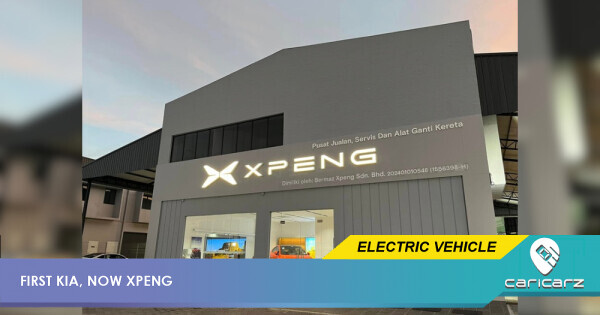
Bermaz Auto Ends XPENG Distributorship: What It Means For Malaysia's Automotive Industry
Bermaz Auto ends its XPENG distributorship in Malaysia. Explore its financial significance and the evolving role of local automotive distributors.
18-11-2026
Malaysia's 30,000 EV Charger Target: 7,341 Installed As Of September 2026
Malaysia has 7,341 EV chargers but needs 22,659 more by 2030. Can faster expansion and better rural coverage close the gap?
17-11-2026
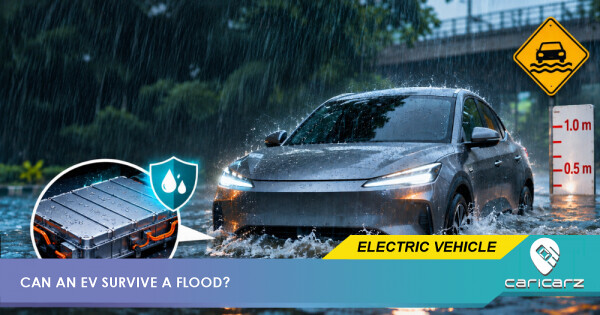
EV Flood Damage: Are Electric Car Batteries Waterproof?
Can an EV survive a flood? Learn how floodwater affects electric car batteries, what damage can occur and what Malaysian EV owners should do.
10-11-2026
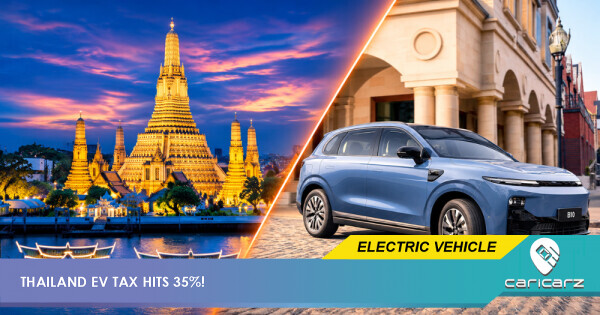
Thailand EV Import Tax Rises To 35% In 2027 — Malaysia Policy Compared
Thailand raises its EV import tax to 35% in 2027. See how Malaysia's RM200,000 CIF and 180 kW CBU EV rules compare, and what buyers should know.
04-11-2026
Show More
trending_flat
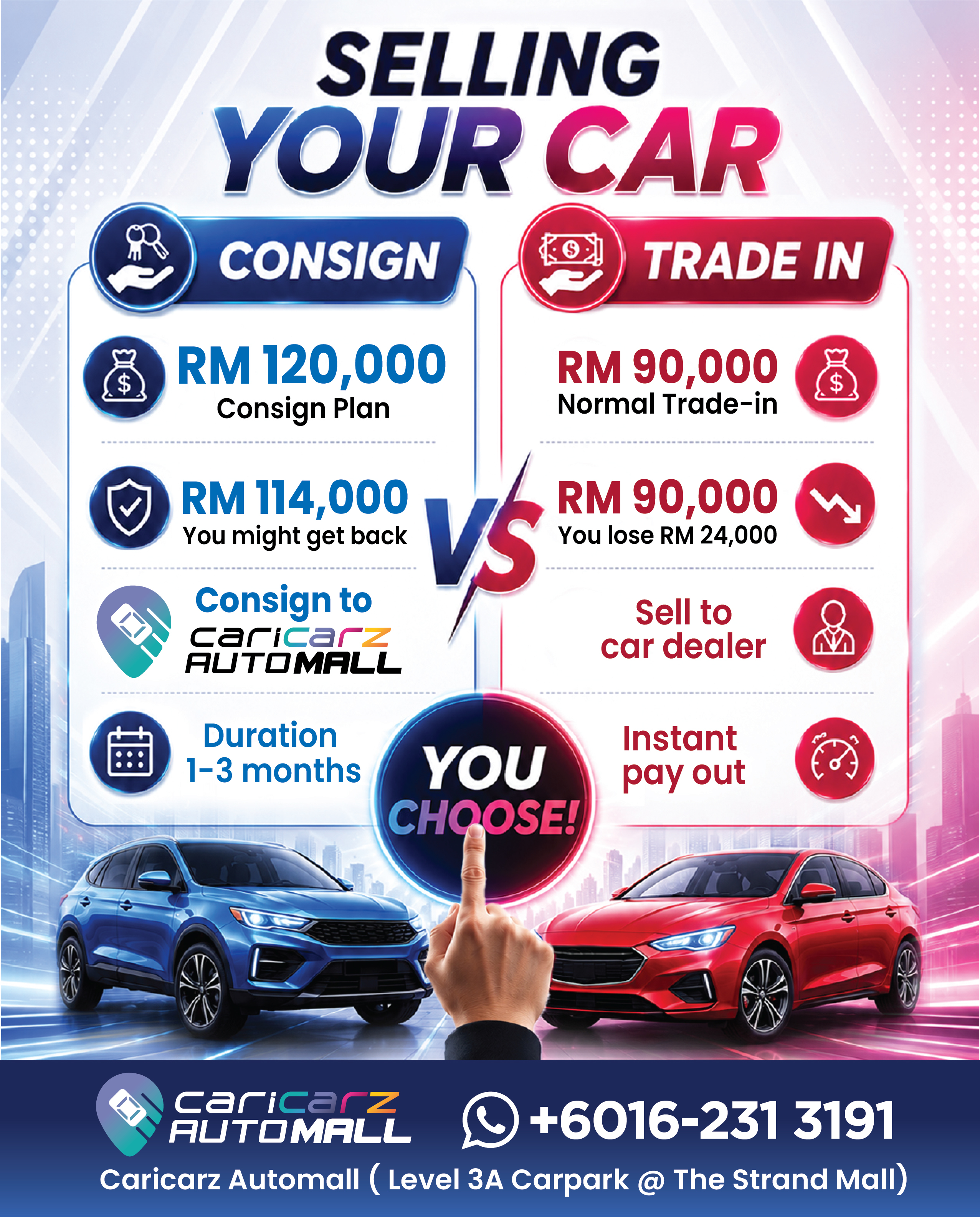
Malaysia First Used Car and EV Consignment Platform
This is the best place to sell your car at true market value. Instead of accepting low dealer trade-ins, we handle everything and connect your car directly to genuine buyers for the highest price.

Understanding CariCarzAutomall Consignment Plan

Approved 200-Check Points Inspection

7 Day Money Back Guarantee

One Year Extended Warranty
No Hidden Charge
