Selayang Home EV Charger Permit: Requirements, Documents And Fees (RM15k++)

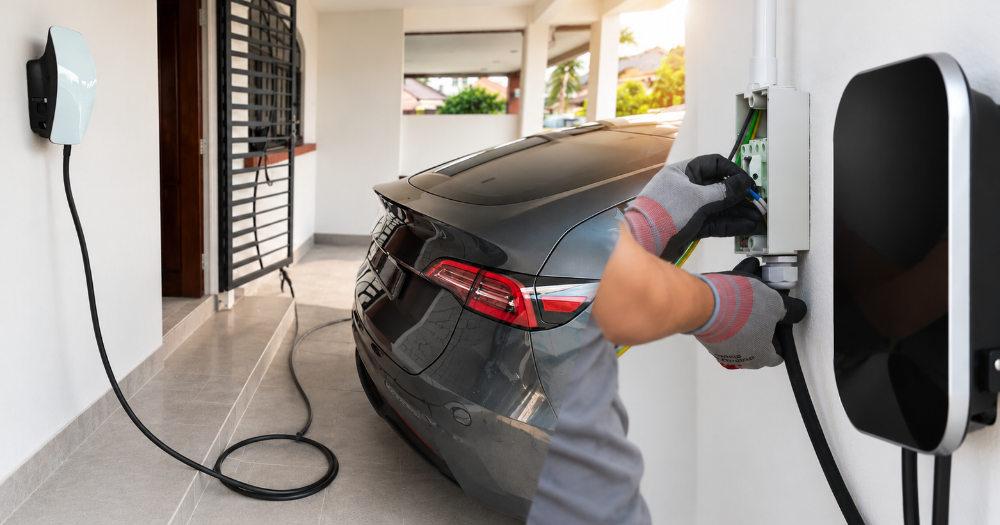
Installing an EV charger at home sounds simple enough. Buy a wallbox, arrange an installer and you're good to go. Right?
Well, not necessarily in Selayang. An official Majlis Perbandaran Selayang (MPS) checklist outlines a permit process involving a Principal Submitting Person (PSP), building plans and supporting documents. And yes, the council's own example involves just one AC charger at a two-storey terrace house.
- Landed Homes Included: MPS's official permit checklist features an application example involving a single AC charger at a two-storey terrace house.
- Professional Paperwork: The application procedure calls for a registered PSP, building plans and supporting property and technical documents.
- RM105 Official Charges: MPS lists RM100 for processing and RM5 for a permit sticker under its published JB-B11 checklist.
- Higher Cost Estimates: Figures shared with Carz suggest RM1,500 to RM1,900 for a 10-metre installation and RM12,000 to RM20,000 for PSP services. These are indicative estimates, not official council charges or verified standard residential rates.
Does Selayang's EV Charger Permit Apply To Landed Homes?
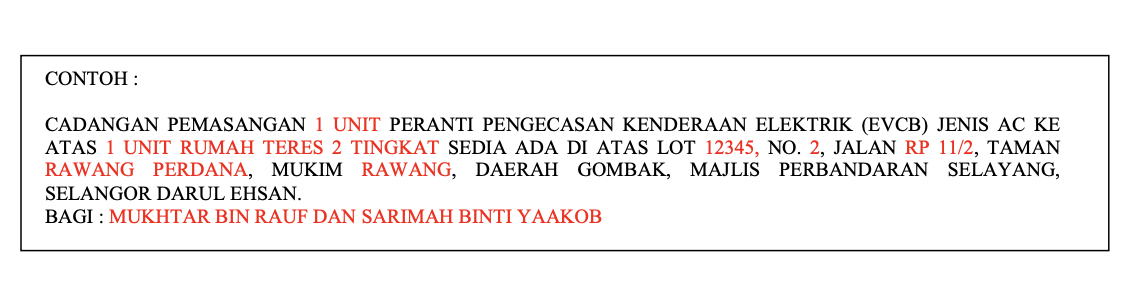
MPS's JB-B11 checklist, updated on 28 April 2026, outlines a small-works permit procedure for AC electric vehicle charging bays (EVCB). Its residential example confirms that landed-home installations are contemplated under the published application process.
However, the document does not establish whether every private home wallbox installation requires approval without exceptions.
What Documents Do Homeowners Need?
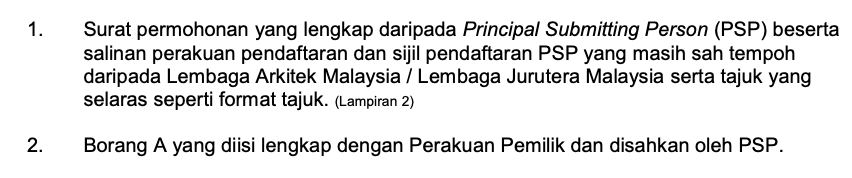
Here's where the paperwork gets interesting. MPS's checklist calls for submission by a registered PSP, who may be an appropriately registered architect or engineer, supported by building plans, property records and technical documents.
The exact documents needed may depend on the property and installation circumstances. Notably, site photographs must be no more than seven days old when submitted.
How Much Is Selayang's Home EV Charger Permit?
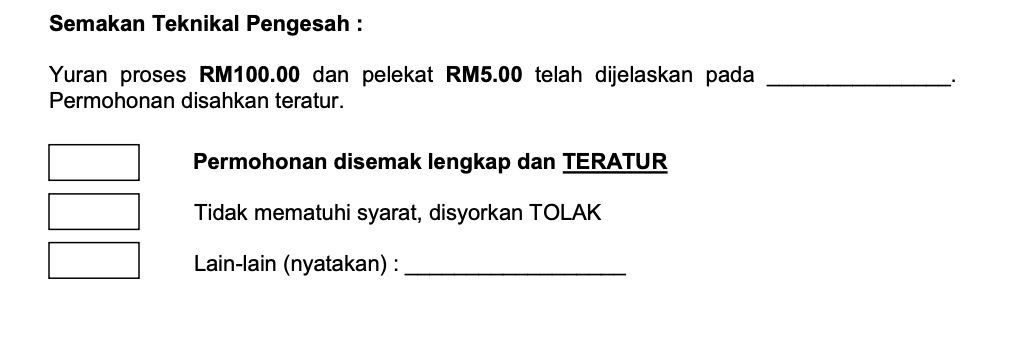
According to the official MPS checklist, the published charges for this particular application procedure are:
The checklist requires PSP involvement but does not specify professional fees. So RM105 is not the total cost of installing a home EV charger.
Council permit charges may also differ between local authorities and application types. The RM105 figure should therefore not be treated as a nationwide permit rate.
Could The Actual Cost Be Much Higher?
While the published MPS charges total just RM105, the overall cost of installing a home EV charger could be considerably higher once installation and professional submission services are factored in.
According to cost estimates shared with Carz, a 10-metre EV charger installation could cost between RM1,500 and RM1,900. Meanwhile, appointing a Principal Submitting Person (PSP) to handle the application process from start to finish is estimated to cost RM12,000 to RM20,000, with RM12,000 quoted as the starting fee.
Based on these figures, here's how the potential costs could add up:
Importantly, the estimated PSP fee is not a council-imposed charge. It covers professional assistance with the submission process, while the RM105 figure is taken directly from MPS's published checklist.
Actual expenses will depend on the property, installation requirements and scope of professional services. Homeowners should obtain quotations and confirm the applicable requirements with MPS before proceeding.
What About EV Charger Safety Requirements?
MPS's checklist covers charging bay placement, fire safety and electrical isolation. Some provisions are specifically marked for public-use or non-residential installations, while the applicability of others to private homes remains unclear.
Separately, Suruhanjaya Tenaga's EVCS guidelines address electrical safety and installation. These are distinct from MPS's building-permit process.
What Should Selayang Homeowners Do Before Installing A Charger?
Before arranging a home EV charger installation within MPS's jurisdiction, homeowners should confirm whether the JB-B11 procedure applies to their property, which documents are required and whether PSP services will be necessary.
Given the potentially significant difference between the published council charges and quoted professional service costs, homeowners should also request a clear breakdown of any proposed fees before committing to an installation.
Checking directly with MPS and the relevant professionals beforehand could help avoid unexpected costs or complications.
Frequently Asked Questions (FAQ)
Does Selayang's EV charger permit cover landed homes?
The published MPS procedure includes an application example involving one AC charger at a two-storey terrace house. However, the checklist does not establish that every private residential installation requires approval without exceptions.
How much is the official MPS EV charger permit fee?
The published JB-B11 checklist lists RM105 in council charges, comprising RM100 for application processing and RM5 for a permit sticker. This does not include installation, PSP services or other potentially applicable costs.
Could a home EV charger installation cost over RM20,000?
Based on the cost estimates supplied to Carz, a 10-metre installation and PSP services, combined with the published MPS charges, could produce an illustrative total of RM13,605 to RM22,005, excluding the charger itself. However, the installation and PSP figures have not been independently verified as standard residential rates. Homeowners should obtain quotations for their specific circumstances.
Do I need an architect or engineer to submit the application?
The MPS checklist calls for a Principal Submitting Person (PSP) registered with the Board of Architects Malaysia or Board of Engineers Malaysia. Homeowners should confirm the applicable submission arrangements with MPS.
Written By
Sofea Najmi
A Bachelor of English Language and Literature graduate with an obsession for the finer details. Sofea uses her background in translation to decode the technicalities of automotive innovation. She is dedicated to delivering impactful, meticulously researched articles that provide a narrative far beyond the spec sheet. LinkedIn: https://bit.ly/3C018vv


JPJ Running Numbers
KUALA LUMPUR
VSA4819
SELANGOR
BSV2920
JOHOR
JH7613J
PULAU PINANG
PSH5424
PERAK
APN2134
PAHANG
CFJ4636
KEDAH
KGJ9130
NEGERI SEMBILAN
NEM6571
KOTA KINABALU
SJV2938
KUCHING
QAB704Q
Last updated 23 Nov, 2026
Fuel Price
Petrol
RON 95
RM 3.97
+1.38
RON 97
RM 4.90
+1.75
RON 100
RM 7.20
+2.20
VPR
RM 8.23
+2.00
Diesel
EURO 5 B10
RM 5.12
+2.08
EURO 5 B7
RM 5.32
+2.08
Last updated 30 Apr, 2026
Related News
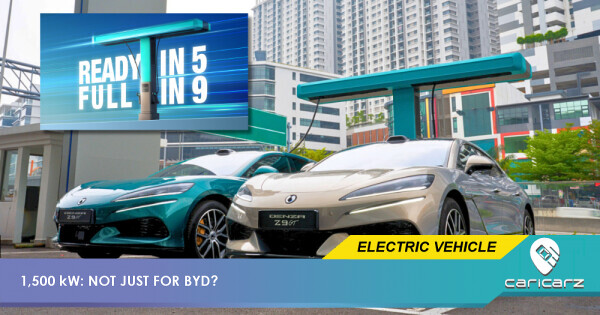
BYD Flash Charging Malaysia: 9-Minute Charging, Locations And Compatible EVs
BYD Flash Charging is now in Malaysia. Explore its 1,500 kW chargers, nine-minute charging, locations, compatible EVs and nationwide expansion plans.
20-11-2026
Malaysia's Proposed EV Levy Explained: Charging Infrastructure, Funding And EV Affordability
Malaysia is studying an EV levy to fund more public chargers. Explore the proposal, infrastructure challenges, Budget 2027 incentives and EV affordability.
18-11-2026
Malaysia's 30,000 EV Charger Target: 7,341 Installed As Of September 2026
Malaysia has 7,341 EV chargers but needs 22,659 more by 2030. Can faster expansion and better rural coverage close the gap?
17-11-2026
Kelantan Eyes More EV Chargers At Strategic Locations
Kelantan eyes more EV chargers at strategic locations, with 37 units in the Kota Bharu council area and private-sector expansion plans.
04-11-2026
Malaysia Considers New Incentives For Affordable EV Purchases
Malaysia is considering new incentives for affordable EVs, including purchase assistance and charging support. Here's what buyers should know.
04-11-2026
Shopping At Atria? ChargeSini's New 120kW EV Charger Is Now Live!
ChargeSini's new 120kW DC fast charger at Atria Shopping Gallery, PJ, is now live with two charging bays. Here's what EV drivers should know.
16-10-2026

Budget 2027: What's Actually Changing For Malaysian Motorists And Commuters?
Budget 2027 brings fuel subsidies, MYKOMUTER50, driver assistance, EV chargers and road upgrades. Here's what Malaysian motorists need to know.
10-10-2026
EV Charging Incentives: Malaysia vs Other Countries
Malaysia offers EV charging tax incentives, but how does it compare globally? Explore EV charger subsidies, grants and tax breaks in six other markets.
08-10-2026
Latest News
BYD Flash Charging Malaysia: 9-Minute Charging, Locations And Compatible EVs
BYD Flash Charging is now in Malaysia. Explore its 1,500 kW chargers, nine-minute charging, locations, compatible EVs and nationwide expansion plans.
20-11-2026
Malaysia Commercial EV Tax Incentives: What's Available And What's Being Proposed
Malaysia is studying sales tax exemptions for electric lorries. Explore existing GITA incentives, Budget 2027 measures and their link to diesel subsidies.
19-11-2026
Malaysia's Temporary 800 kWh Electricity Bill Protection Ends December 2026: What EV Owners Should Know
Malaysia's temporary 800 kWh electricity bill protection ends Dec 31, 2026. Here's what EV owners should know about home charging and electricity tariffs.
19-11-2026
Malaysia's Proposed EV Levy Explained: Charging Infrastructure, Funding And EV Affordability
Malaysia is studying an EV levy to fund more public chargers. Explore the proposal, infrastructure challenges, Budget 2027 incentives and EV affordability.
18-11-2026
Bermaz Auto Ends XPENG Distributorship: What It Means For Malaysia's Automotive Industry
Bermaz Auto ends its XPENG distributorship in Malaysia. Explore its financial significance and the evolving role of local automotive distributors.
18-11-2026
Malaysia's 30,000 EV Charger Target: 7,341 Installed As Of September 2026
Malaysia has 7,341 EV chargers but needs 22,659 more by 2030. Can faster expansion and better rural coverage close the gap?
17-11-2026
EV Flood Damage: Are Electric Car Batteries Waterproof?
Can an EV survive a flood? Learn how floodwater affects electric car batteries, what damage can occur and what Malaysian EV owners should do.
10-11-2026
Thailand EV Import Tax Rises To 35% In 2027 — Malaysia Policy Compared
Thailand raises its EV import tax to 35% in 2027. See how Malaysia's RM200,000 CIF and 180 kW CBU EV rules compare, and what buyers should know.
04-11-2026
Show More
trending_flat
Malaysia First Used Car and EV Consignment Platform
This is the best place to sell your car at true market value. Instead of accepting low dealer trade-ins, we handle everything and connect your car directly to genuine buyers for the highest price.

Understanding CariCarzAutomall Consignment Plan

Approved 200-Check Points Inspection

7 Day Money Back Guarantee

One Year Extended Warranty
No Hidden Charge
